
For banks and financial services.
Frankfurt is Germany's financial centre, and now the seat of the EU's new anti-money-laundering authority. That puts banks, financial-services providers, asset managers and fintechs at the focus of supervisors and prosecutors. We defend and advise institutions and their responsible individuals in money-laundering and capital-markets criminal law, discreetly, and with an understanding of how a regulated business actually works.
Speak with us, in confidence
For institutions,
officers and boards.
When supervision turns into an investigation.
Money-laundering allegation (§ 261 StGB)
An investigation against the institution or its staff, often on the reckless (leichtfertig) form, where gross carelessness is enough.
GwG and reporting duties
Alleged breaches of the Money Laundering Act, customer due diligence, suspicious-transaction reports, record-keeping.
Market manipulation & insider dealing
EU Market Abuse Regulation (MAR) and section 119 WpHG, insider information, ad-hoc disclosure, suspicious-transaction reports.
AMLA and BaFin scrutiny
Supervisory measures, special audits and information requests that can turn into criminal proceedings.
Compliance officer under pressure
Personal exposure of the money-laundering reporting officer, compliance function or board, individual defence alongside the institution.
Internal investigation at the bank
Clarifying an internal suspicion in a controlled way, before supervisors or prosecutors set the pace.
Two fields, one address: the regulated financial business.
Money-laundering criminal law revolves around section 261 of the German Criminal Code (StGB), and, crucially, its reckless form: gross carelessness in failing to recognise the criminal origin of an asset can already be enough. Around it sit the extensive duties of the Money Laundering Act (GwG): customer due diligence, suspicious-transaction reports, documentation. The EU's Anti-Money Laundering Authority (AMLA), now building up in Frankfurt, will from 2028 directly supervise selected high-risk institutions, supervision on the doorstep of the very banks we act for.
Capital-markets criminal law covers above all insider dealing and market manipulation under the EU Market Abuse Regulation (MAR), with the criminal provisions in section 119 of the German Securities Trading Act (WpHG). BaFin supervises; serious cases are handed to the public prosecutor. Ad-hoc disclosure, insider lists and suspicious-transaction reports are recurring flashpoints.
What both fields share: responsibility attaches not only to the institution, but personally to management, the money-laundering reporting officer and the compliance function. Good defence protects both levels, and speaks the language of a regulated business rather than treating it as a foreign country.
On the doorstep of the supervisors.
We are based in Frankfurt's Westend, minutes from the financial district, and from the new home of European anti-money-laundering supervision. For banks and financial-services providers that is more than a symbol: proximity, availability and an understanding of the local supervisory reality matter when things move quickly.
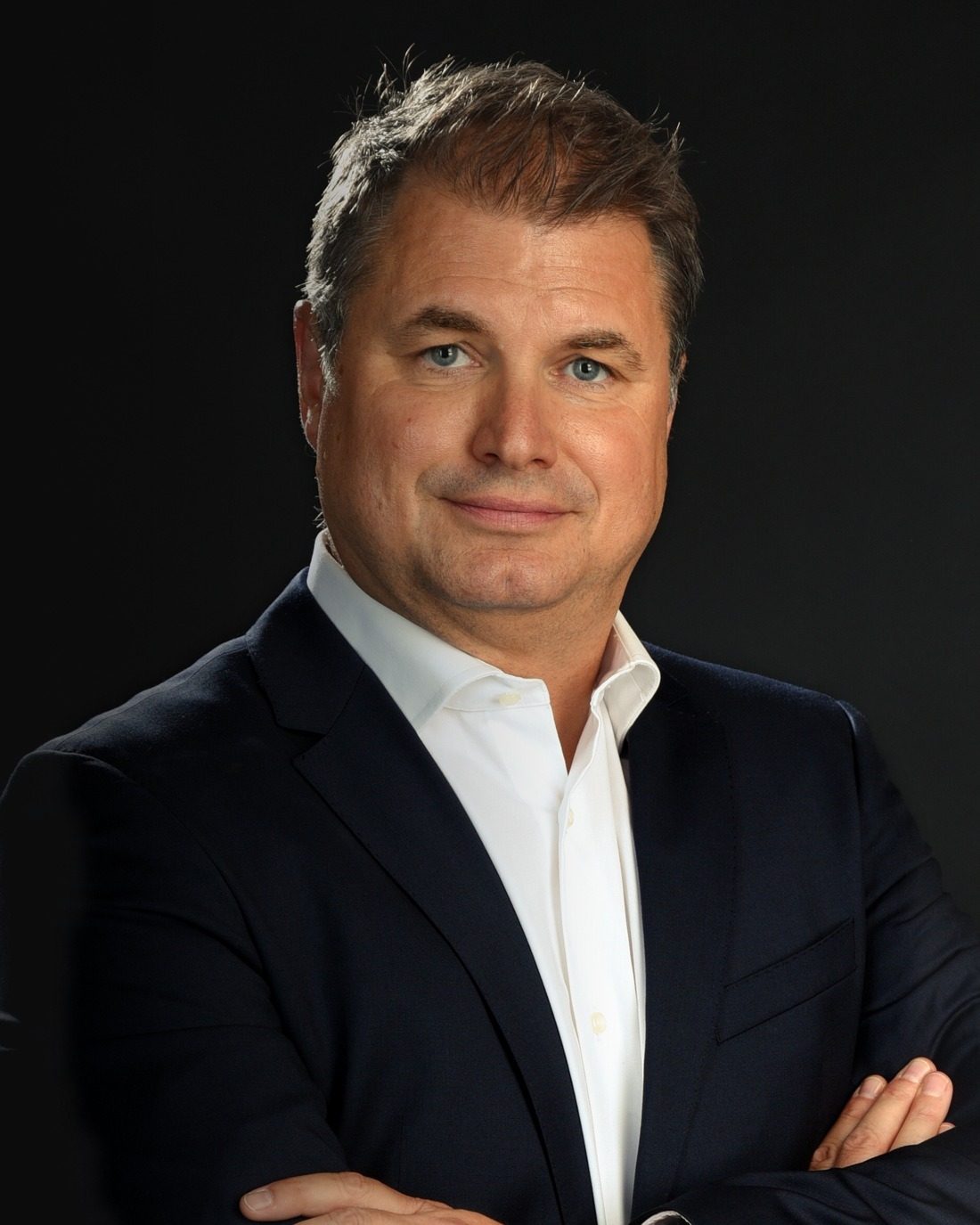
Two partners for the financial sector.
You speak directly with the partners who run your matter, not with an apparatus.

Money laundering & capital markets: briefly explained.
Does money laundering require intent, or is negligence enough?
section 261 of the German Criminal Code (StGB) also penalises the reckless (leichtfertig) form: anyone who, through gross carelessness, fails to recognise that an asset stems from a predicate offence can be liable. For banks and their staff this lowers the threshold considerably, which is why documented diligence is central to the defence.
What is the AMLA and why does Frankfurt matter?
The Anti-Money Laundering Authority (AMLA) is the EU's new central supervisor, based in Frankfurt. It is building up now and will, from 2028, directly supervise selected high-risk financial institutions. For Frankfurt-based banks and financial-services providers this means supervision on their doorstep.
What does capital-markets criminal law cover?
Above all insider dealing and market manipulation under the EU Market Abuse Regulation (MAR), with the criminal provisions in section 119 of the German Securities Trading Act (WpHG). BaFin supervises; serious cases are pursued by the public prosecutor. Ad-hoc disclosure, insider lists and suspicious-transaction reports are recurring points.
Are compliance officers and board members personally at risk?
Yes. Alongside the institution, criminal and regulatory responsibility can attach personally to the money-laundering reporting officer, compliance function and management. Early, independent defence protects both the institution and the individuals.
The information on this page is general in nature and does not replace advice on the individual case.
Further reading: Our guide to money laundering under section 261 StGB.
Let's talk,
in confidence.
A supervisory measure, an investigation or open questions on money laundering and market abuse? Speak directly with a partner.
Arrange a consultation